4. Heat and Thermal Performance
Trespa® TopLab® Plus is rated for dry heat exposure up to 320°F for short durations and 212°F for wet heat, meeting the needs of most commercial and institutional applications.2
Epoxy resin can withstand higher peak temperatures, typically between 360°F and 380°F, and may be preferred in extreme heat environments.3
5. Fabrication, Installation and Lead Time
Phenolic panels can be fabricated with standard woodworking tools (such as a CNC cutting machine), installed without a substrate, and used vertically, simplifying installation and reducing labor. Trespa® TopLab® is stocked and available in ½-inch, 5/8-inch, ¾-inch, and 1-inch thicknesses, reducing lead-time for your next project
Epoxy countertops require specialized tooling (such as a diamond-tipped saw), skilled labor, and long curing times. They are heavier, typically weighing about 12 lbs per square foot at 1 inch thick, compared to approximately 7 lbs per square foot for phenolic. These factors make on-site fabrication much more difficult compared to phenolic panels.
6. Aesthetics and Design Flexibility
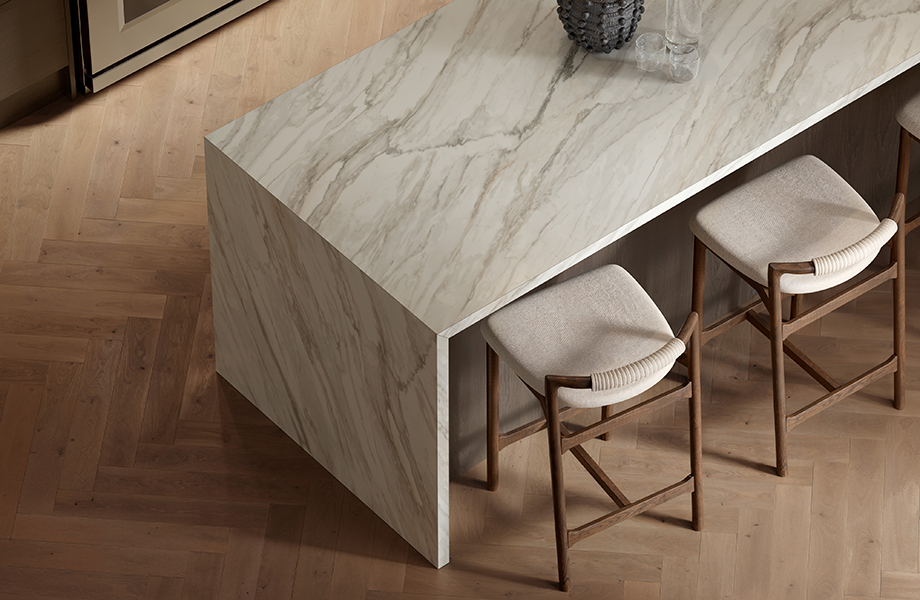
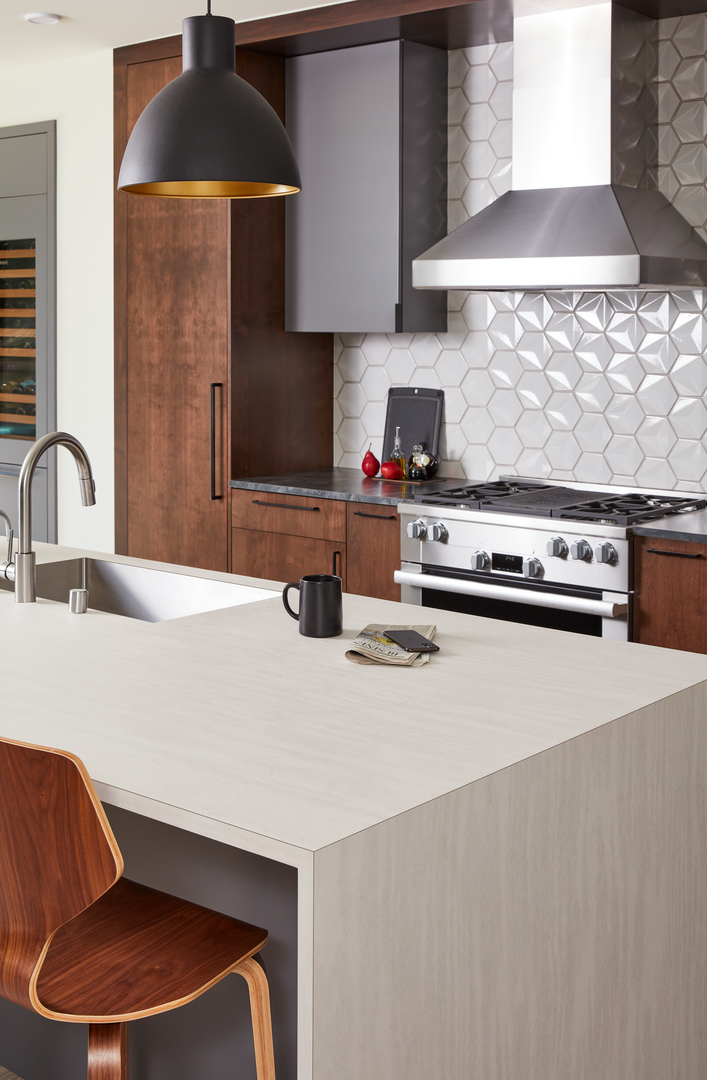
Phenolic surfaces offer a wide range of consistent colors and finishes with clean, machined edges. Designers can change aesthetics without sacrificing performance.
While epoxy can come in custom and artistic finishes, it is most commonly produced in black due to the cost and complexity of changing molds and production processes.