Case Studies
Calm Nordic Warmth at Uumen Hotels Tampere
November 9, 2026
Located in the historic Finlayson area of Tampere, Uumen Hotels brings together Scandinavian minimalism, functionality, and a strong sense of calm.
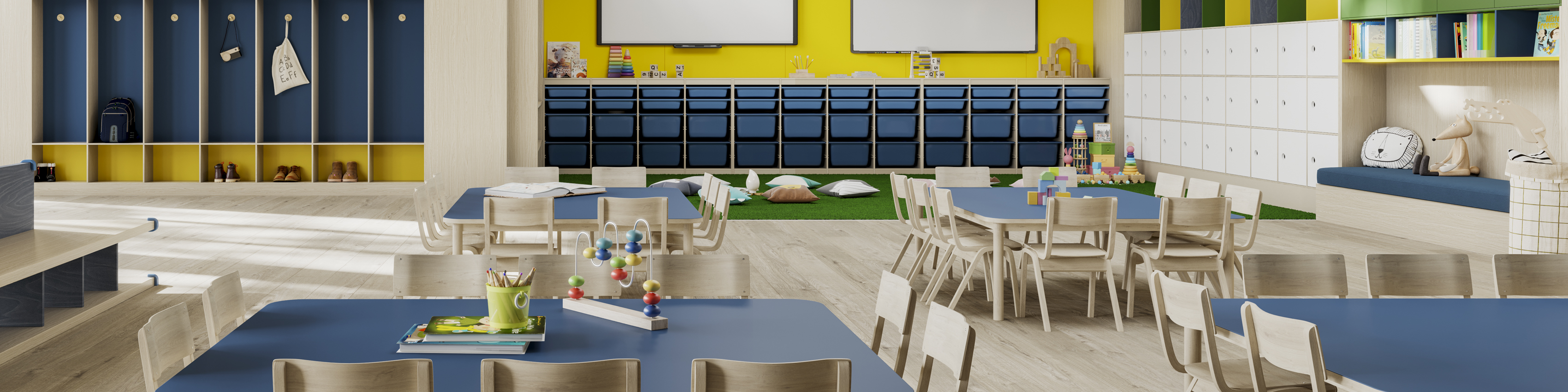
By considering colour, texture, lighting, and flexibility, designers can create learning environments that foster comfort, concentration, and curiosity.
Early Learning Spaces: Setting the Foundation
In early childhood education, the physical environment plays a crucial role in shaping a child’s personality, self-esteem, and capacity for learning. Drawing on the insights of educators like Dr. Maria Montessori, it’s clear that the right combination of tones, textures, and lighting can make a significant difference.
By thoughtfully balancing soothing colours, varied textures, and inviting layouts, early learning settings can provide the security and comfort that children need to thrive during these formative years.
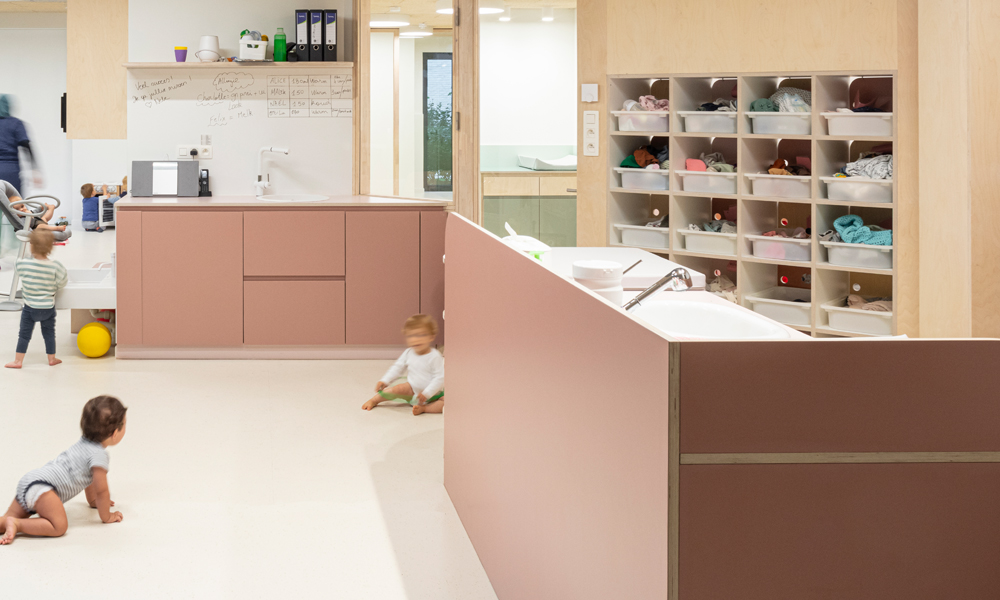
Ernestine Nursery | Photo by Tim Van De Velde
Flexible, Student-Centred Spaces in Higher Education
As learners progress to university environments, their needs become more varied, and the spaces they inhabit must adapt accordingly. Creating flexible learning areas allows students—neurodivergent or otherwise—to find the conditions that best support their focus, creativity, and well-being.
By combining adaptive furniture, varying types of workspaces, and quiet havens, universities can help reduce anxiety, support concentration, and promote inclusive participation in all aspects of campus life.
Harmonious Colour Palettes and Tactile Elements
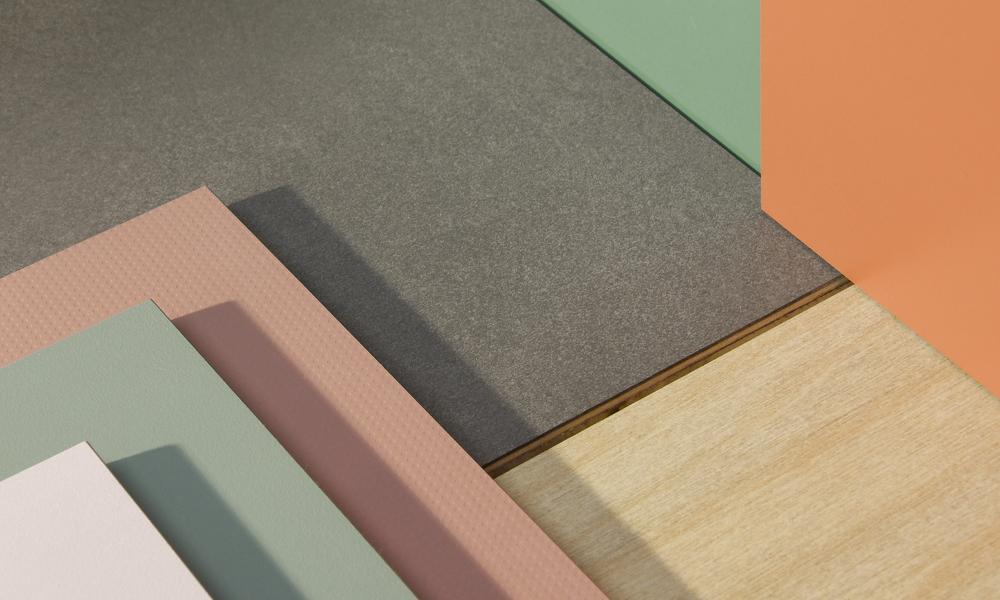
As in the office sector, colour selection and material choice in education settings can subtly influence mood, energy, and engagement. The muted tones in a palette created Nina Bailey, Formica Group’s European Design Lead, allow for gentle visual interest without overwhelming learners. Complementary reds and greens offer a harmonious feel, while neutral backdrops maintain a soothing baseline.
Central to this palette is F8910 Raw Birchply, providing a natural, calming foundation that highlights subtle grains and warmth. From there, a selection of soft tones can be introduced:
The delicate balance of warm and cool hues, combined with a mix of solids and woodgrains, creates a welcoming environment. Carefully chosen finishes allow for a subtle interplay of colour, pattern, and texture that keeps learners engaged without feeling overstimulated.
A Path Towards Inclusive Learning
Neuro-inclusive education environments acknowledge that every learner is unique. By combining gentle colours, tactile textures, flexible furnishings, and quiet retreat areas, educators can ensure that pupils—from pre-school to university—feel supported, engaged, and understood.
Whether it’s the nurturing softness of a pre-school nursery or the adaptable, multifaceted layout of a university campus, neuro-inclusive design strategies help create spaces that respect individual differences and empower learners to thrive on their own terms. As we embrace these design principles, we move closer to a future where every educational setting is a place of comfort and exploration.
Case Studies
November 9, 2026
Located in the historic Finlayson area of Tampere, Uumen Hotels brings together Scandinavian minimalism, functionality, and a strong sense of calm.

Belgium
(Dutch)
Belgium
(Français)
Canada
(English)
Canada
(Français)
China
(简体中文)
Denmark
(Dansk)
Finland
(English)
Finland
(Suomi)
France
(Français)
Germany
(Deutsch)
Hong Kong
(English)
Indonesia
(English)
Ireland
(English)
Italy
(Italiano)
Japan
(日本語)
Malaysia
(English)
México
(Español)
Middle East
(العربية)
Netherlands
(Netherlands)
Norway
(Norsk bokmål)
Philippines
(English)
Poland
(Polski)
Singapore
(English)
Spain
(Español)
Sweden
(Svenska)
Taiwan
(繁體中文)
Thailand
(English)
Thailand
(ไทย)
United Kingdom
(English)
United States
(English)
United States
(Español)
Vietnam
(Tiếng Việt)