Offices are hubs of innovation, collaboration, and focused work, yet they frequently present sensory challenges—ranging from excessive noise and glare to overly bright colour schemes and unclear wayfinding. By integrating neuro-inclusive design strategies, workplaces can become more welcoming, productive, and resilient, ultimately benefiting all employees.
Sensory Zoning for Neuro-Inclusive WorkspacesA key strategy for creating a neuro-inclusive office lies in sensory zoning, which involves establishing distinct areas tailored to various work styles and sensory preferences. This approach acknowledges that employees thrive in different conditions and that one-size-fits-all environments are often less effective.
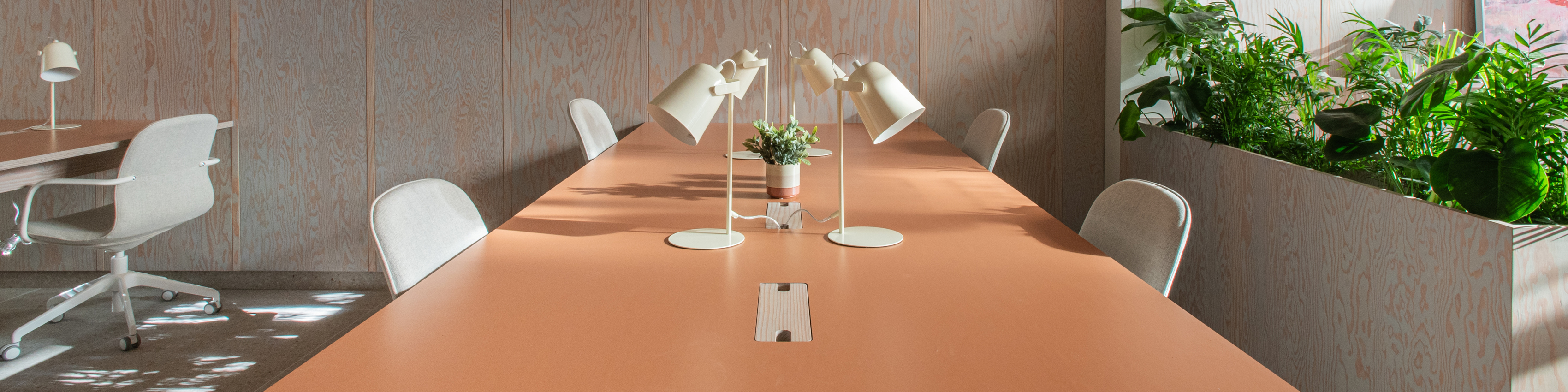
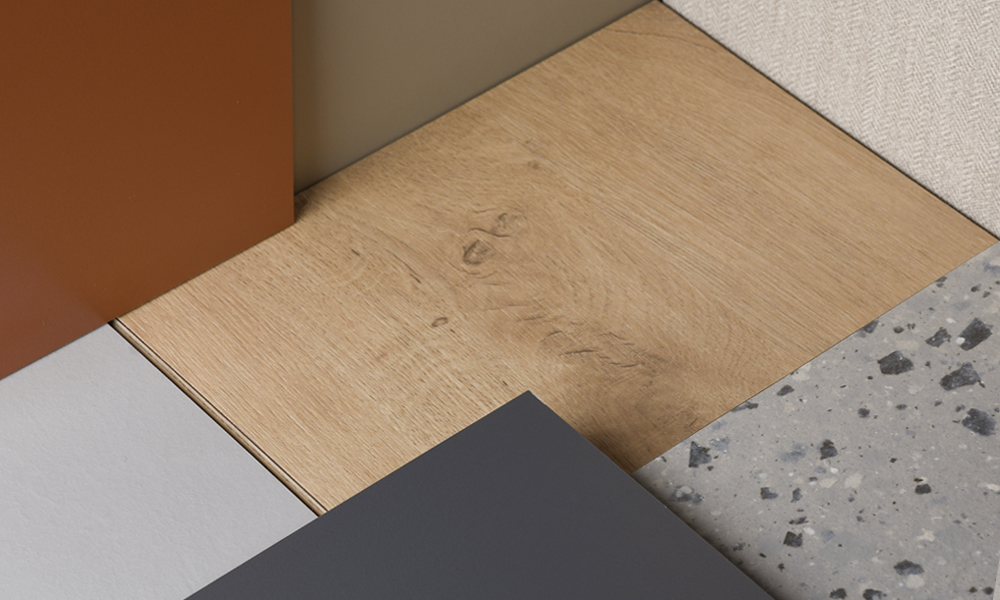
Productivity Zones: Muted colours, off-white surfaces to reduce glare, and sound-absorbing materials help maintain a quieter atmosphere. Adjustable lighting and neutral palettes support those with sensory sensitivities, enabling them to stay focused and comfortable.
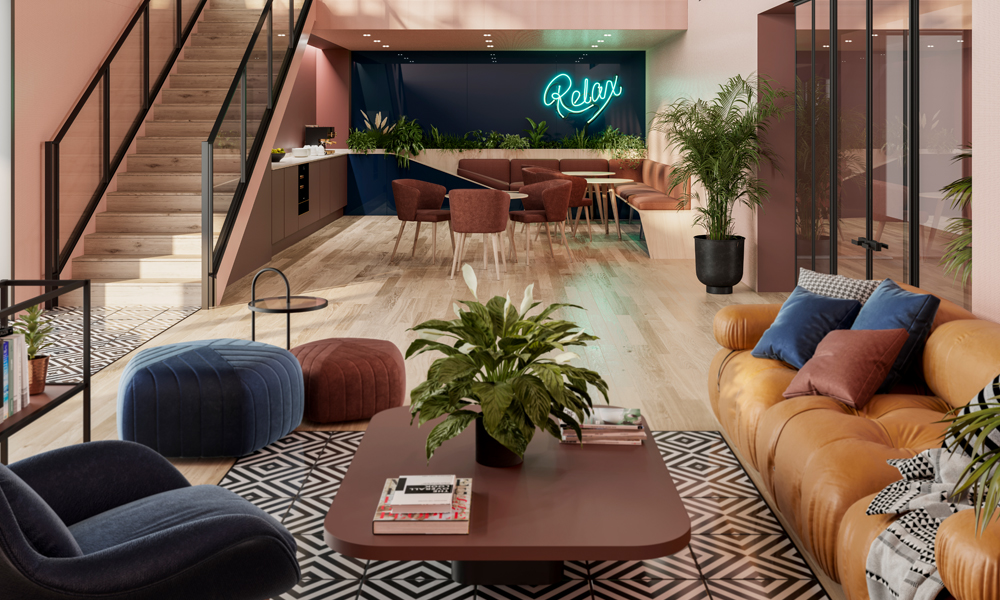
Relaxation Zones: Incorporating natural elements, soft seating, and ambient lighting offers a place for employees to decompress. Neutral and warm colours foster calmness, while subtle patterns and textures encourage relaxation, contributing to overall well-being.
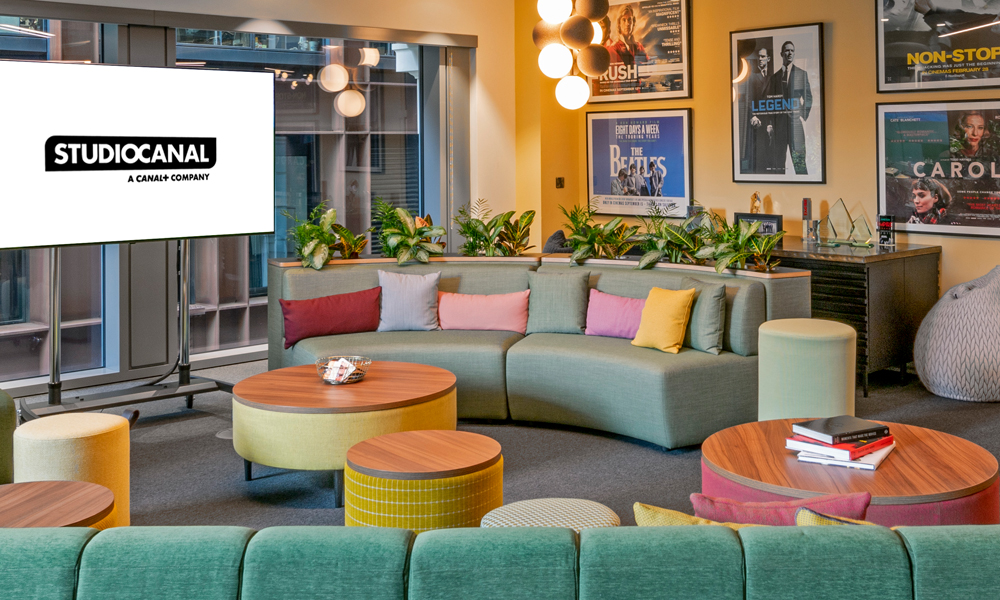
Collaboration Zones: Small, enclosed spaces with comfortable seating and warmer lighting provide supportive environments for teamwork and idea-sharing. Earthy hues or subtle colour accents distinguish these areas without disrupting the cohesive design.