
Commercial Interiors
The power of wood in interior design
March 12, 2026
Explore smart wood design palettes and practical uses of wood-inspired laminates in interiors from the Formica® Woods Collection.

Category | Commercial Interiors
When used thoughtfully, black and white can enhance the visual appeal of an interior while also addressing the sensory needs of neurodiverse individuals, including those with sensory processing disorder (SPD), dyslexia, and autism.
The Sophistication and Intensity of Black
Black is a colour that exudes sophistication, elegance, and mystery. However, its intensity can be both a strength and a challenge when designing with neurodiverse comfort in mind. When used strategically, black can create a sense of depth and intimacy, for example:
While black offers a powerful visual impact, designers must tailor its use to the sensory preferences of neurodiverse individuals. Excessive use of black can potentially heighten sensory sensitivities or create a sense of unease, so it is often best used in moderation or combined with softer, more neutral tones.

The Freshness and Simplicity of White
White, on the other hand, is often associated with purity, simplicity, and a sense of spaciousness. For individuals with dyslexia, white provides a clean, uncluttered backdrop that minimises distractions and aids concentration. It can be an excellent tool for creating environments that feel open, uncluttered, and calming. However, it is important to keep in mind that overly bright or stark white spaces may feel too sterile or overwhelming, especially for individuals with autism or SPD.
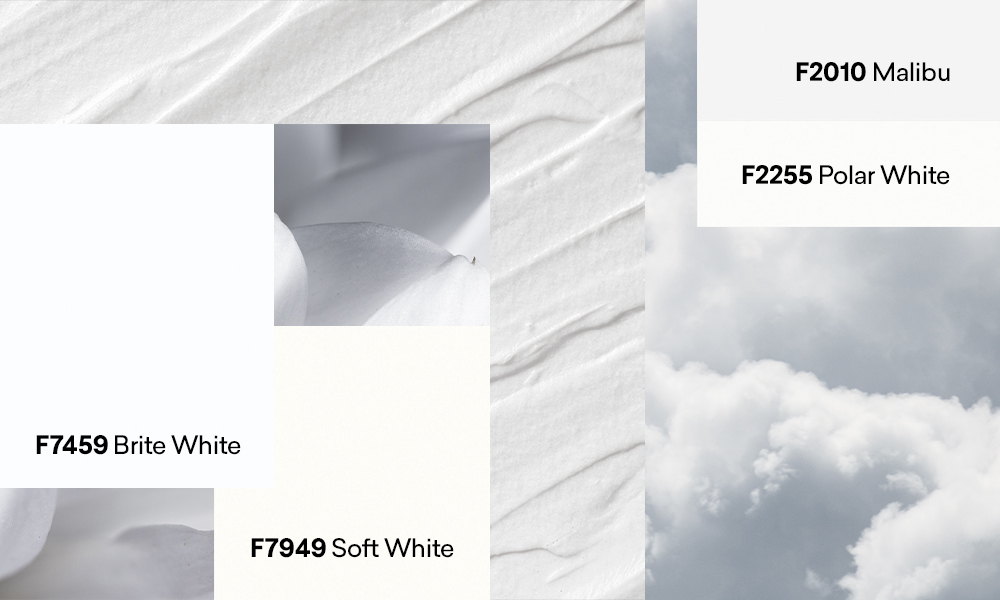
Formica Group offers a variety of white tones that can be used to achieve different effects:
Formica® Laminate in F7459 Brite White and F2255 Polar White: These clean, crisp shades of white create a fresh and airy atmosphere, making them a great choice for rooms where sensory overload needs to be minimised. For individuals with SPD, who may be sensitive to high-contrast environments, Brite White and Polar White can offer a calming, neutral space. It’s especially effective in areas where clarity and focus are essential, like reading rooms or study areas.
Formica Laminate in F2010 Malibu and F7949 Soft White: These off-white tones bring warmth and cosiness to a space without sacrificing the sense of openness. For individuals with autism, who may find stark white too harsh, these softer whites provide a more welcoming and nurturing environment. Similarly, for those with dyslexia, softer whites can help reduce visual clutter, making it easier to focus and concentrate.
By combining various shades and textures of white, designers can create environments that are both visually appealing and supportive of sensory well-being. However, it’s important to recognise that some neurodiverse individuals, such as those with SPD or autism, may find overly bright or stark white spaces to be too stimulating or sterile, so selecting the right tone and balancing it with other elements, such as muted colours or natural materials, is key.
At Formica Group, we are committed to helping you design neuro-inclusive spaces that are beautiful, functional, and supportive of sensory needs. Explore our range of black and white laminates to create environments that resonate with everyone’s unique preferences and needs.
Missed our earlier blogs? Start from the beginning here.Commercial Interiors
March 12, 2026
Explore smart wood design palettes and practical uses of wood-inspired laminates in interiors from the Formica® Woods Collection.